
Different Types of Bowling in Cricket: Fast Bowlers and Spinners
Stand at the boundary edge during a tense cricket match, and you will feel the electricity in the air. The crowd falls absolutely silent. At the top of his run-up, a lone figure turns to face the batter standing twenty-two yards away. This singular moment defines the heartbeat of the sport. The bowler breathes in, grips the leather ball, and begins the assault.
But not all assaults look the same. Understanding the diverse types of bowling in cricket unlocks the true beauty of this complex game. Are you watching a terrifying display of raw physical power, or a slow, mesmerizing trick of the wrist? For new fans, amateur players, and seasoned spectators alike, recognizing various cricket bowling styles transforms a simple match into a thrilling game of tactical chess.
Broadly speaking, this art form splits into two distinct, legendary disciplines: fast bowling and spin bowling. Each style demands immense physical discipline, psychological toughness, and a relentless desire to outsmart the opposition. Let us delve into the fascinating mechanics of the game, exploring exactly how these masters of the pitch weave their magic.
ALSO READ : Most Wickets in Cricket: ODI, Test, T20, and World Cup
What Is Bowling in Cricket?
Have you ever wondered what exactly separates a brilliant bowler from someone merely throwing a ball? If we want to answer the question of what is bowling in cricket, we must look beyond the physical act of releasing the sphere. Bowling is a highly regulated, biomechanically complex action designed to deliver the cricket ball toward the batter with the ultimate goal of dismissing them or restricting their ability to score.
Unlike baseball pitchers, a cricket bowler must keep their arm perfectly straight upon delivery. Bending the elbow beyond a strict fifteen-degree limit results in an illegal throw. This rigid rule forces bowlers to generate momentum through their run-up, shoulder rotation, and sheer core strength. When having bowling in cricket explained to a beginner, this straight-arm rule is always the crucial first lesson.
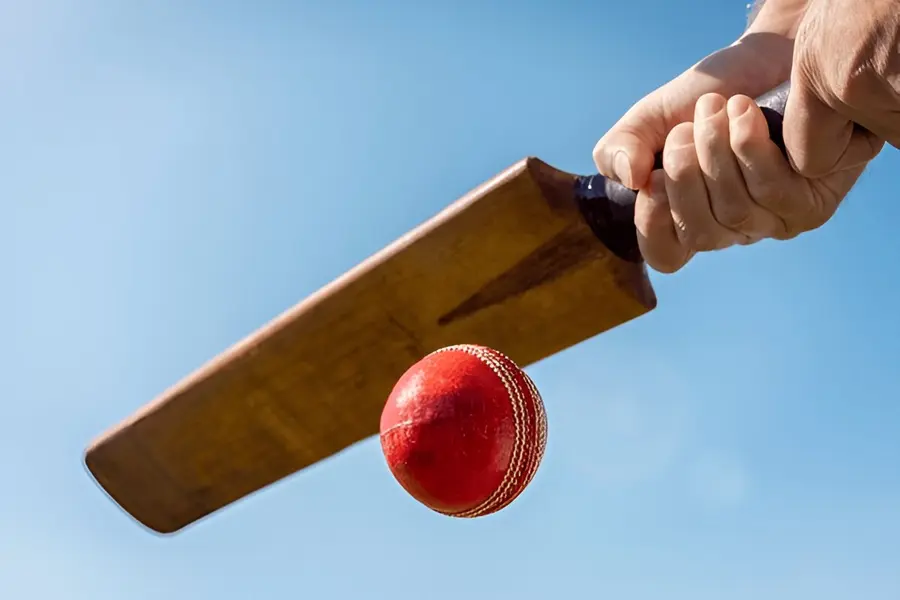
The fundamental role of bowler in cricket is to act as the team's primary weapon of attack. Batters score the runs, but bowlers win the matches. To dismantle a well-set batting lineup, a bowler relies on a sophisticated arsenal of variables. They manipulate pace to rush the batter. They use swing to curve the ball through the air, deceiving the eye before the ball even lands. They utilize the seam-the pronounced stitching on the ball-to create erratic, unpredictable bounce off the pitch. Finally, they employ spin to make the ball bite into the turf and change direction violently.
"A great bowler does not merely deliver the ball; they deliver a complex question that the batter has only a fraction of a second to answer."
This constant interrogation creates a profound psychological pressure. The batter knows that a single mistake will end their time at the crease. The bowler knows this, too. They probe for weaknesses, hunting for a fleeting moment of hesitation. It is a beautiful, deeply emotional duel.
Main Types of Bowling in Cricket
When we analyze the main types of bowling in cricket, we see two entirely different philosophies of combat. Imagine a military general choosing between a heavy artillery barrage and a covert sniper strike. Both are devastatingly effective, but they achieve their goals through completely different methods.
These two primary bowling types in cricket are fast bowling and spin bowling. A team usually relies on a balanced mixture of both to adapt to changing match conditions and exploit specific batters' vulnerabilities.
Fast Bowling: The Heavy Artillery
Fast bowling relies on raw, terrifying speed, intimidating bounce, and late swing. These athletes charge in from a considerable distance, building explosive kinetic energy. A premier fast bowler can hurl the ball at speeds exceeding 90 mph (145 km/h).
At this terrifying velocity, the batter has roughly half a second to track the ball, decide on a shot, and move their feet. Fast bowlers look to physically and mentally dominate their opponents. They will aggressively target the batter's body with short-pitched deliveries, forcing them backward, before firing a devastatingly full delivery aimed straight at the stumps. It is a brutal, exhausting endeavor that takes a massive toll on the bowler's body.
Spin Bowling: The Master of Deception
In stark contrast, spin bowling operates with quiet, lethal deception. The spinner takes only a few measured steps before releasing the ball at a much slower pace-usually between 45 and 60 mph. However, speed is entirely irrelevant here. The spinner's weapon is friction.
Using powerful flicks of the wrist or violent snaps of the fingers, the spinner imparts heavy revolutions onto the ball. When analyzing fast bowling vs spin bowling, the key difference happens after the ball hits the pitch. While a fast bowler wants the ball to skid quickly, a spinner wants the ball to grip the dry surface. This causes the ball to deviate sharply sideways, entirely deceiving the batter's expectations.
Interesting Fact: The amount of revolutions a top-class spinner puts on a cricket ball can exceed 2,000 RPM (Revolutions Per Minute), creating a localized aerodynamic pressure difference that makes the ball drift in the air before it even bounces.
ALSO READ : Master Every Cricket Shot: Simple Tips to Bat Like a Pro!
Comparing the Two Titans
How do these two disciplines stack up against each other on the field?
Characteristic | Fast Bowling | Spin Bowling |
Primary Weapon | Pure velocity and late swing | Aggressive sideways turn and flight |
Run-up Length | Long (15 to 30 paces) | Short (4 to 8 paces) |
Physical Toll | High impact on knees, back, and shoulders | High strain on fingers, wrists, and spinning shoulder |
Ideal Pitch Condition | Green, grassy, and hard | Dry, dusty, and abrasive |
Ultimately, the beauty of cricket lies in this immense variety. The fast bowler brings the fire, rushing the batter and shattering stumps with explosive force. The spinner brings the ice, meticulously setting traps and luring the batter into a fatal misjudgment. Both styles command absolute respect. By understanding these fascinating dynamics, you gain a front-row seat to the greatest psychological battle in all of sports.
The Complete Guide to Fast Bowling in Cricket
There is a distinct sound that echoes through a cricket stadium when a fast bowler is operating at their absolute best. It is the fierce crack of the leather ball striking the pitch, followed closely by the anxious gasp of the crowd. Fast bowling in cricket is not merely about running in and throwing the ball as hard as possible. It is a calculated, deeply emotional battle of wills between the bowler and the batter.
If you want to understand the heartbeat of the game, you must look at the fast bowlers. In this guide, we will explore the nuances of cricket fast bowling, breaking down the various types of fast bowling deliveries, and examining how masters of the craft use speed, movement, and psychology to conquer their opponents.
What exactly is fast bowling? At its core, fast bowling is the art of delivering the cricket ball at high speeds to restrict scoring and dismiss batters. But pure speed is rarely enough. A true fast bowler relies on a lethal combination of raw pace, seam movement off the pitch, swing through the air, and intimidating bounce.
Imagine a predator hunting its prey. The bowler assesses the batter's weaknesses, the condition of the pitch, and the age of the ball. They carefully choose their weapons from an arsenal of deliveries. Let us explore these different types of fast bowling.
Out-Swing Bowling
Out-swing bowling in cricket is a beautiful, deceptive art. The bowler releases the ball so that it moves away from the batter in the air. For a right-handed batter facing a right-arm bowler, the ball drifts toward the slip fielders.
When is this effective? It is most dangerous early in a match when the ball is new and shiny. The batter, eager to make contact, reaches for the ball. The sudden movement away from their bat often results in a faint edge, sending the ball straight into the waiting hands of the wicketkeeper.
In-Swing Bowling
If the out-swinger is a subtle trap, the in-swinger is a direct assault. In swing bowling in cricket involves the ball curving sharply into the batter.
This delivery is commonly used against top-order batters to target the stumps or the batter's pads. By moving the ball into the batter's body, the bowler restricts their ability to play scoring shots. A perfectly executed in-swinger often leaves the batter trapped right in front of the stumps, creating a prime opportunity for an LBW (Leg Before Wicket) dismissal.
Seam Bowling
While swing relies on the air, seam bowling relies entirely on the pitch. But what exactly is the difference?
When we look at seam vs swing bowling, swing happens before the ball bounces. Seam movement happensafterthe ball hits the ground. The prominent stitching down the center of a cricket ball is the seam. By landing the ball perfectly on this pronounced ridge, a seam bowler forces the ball to deviate unpredictably upon impact. Pitch conditions heavily influence seam bowling in cricket. A green, grassy pitch acts like a trampoline, gripping the seam and magnifying the movement.
"Pace is physical, but seam bowling is psychological. The batter never truly knows which way the ball will dart once it hits the turf."
Reverse Swing Bowling
As the cricket ball ages, it gets battered, scuffed, and worn down. You might think this makes the bowler's job harder. However, this is when reverse swing in cricket comes into play.
Reverse swing bowling is a phenomenon where an old, deteriorating ball begins to swing in the opposite direction of a conventional new ball. It is highly popular in longer formats of the game, like Test matches. When a bowler masters reverse swing, the ball tails into the batter late and at devastating speed, making it nearly impossible to defend.
Interesting Fact: The art of reverse swing was largely pioneered by Pakistani fast bowlers in the 1980s and 1990s, who discovered how to manipulate the aerodynamics of a heavily worn ball.
Yorker
Few sights in cricket are as thrilling as a perfectly executed yorker. A yorker in cricket is a full-length delivery pitched right at the batter's toes or the base of the stumps.
Because it lands so close to the batter's feet, they have virtually no time to get their bat underneath the ball. Yorker bowling is especially deadly in the "death overs"-the final stages of a limited-overs match. When batters are desperately trying to hit boundaries, a fast, accurate yorker shuts them down completely.
Bouncer
If the yorker targets the toes, the bouncer in cricket targets the head. This is a short-pitched delivery designed to rear up aggressively toward the batter's chest or helmet.
Why use a short ball in cricket? It is a tool of intimidation. The bowler wants to push the batter back into their crease, making them hesitate. A well-directed bouncer surprises the batter, forcing them into a hurried, defensive shot that often pops up in the air for an easy catch.
Slower Ball
Speed is a fast bowler's primary weapon, but deception is their shield. A slower ball in cricket is a delivery bowled with the exact same arm speed and run-up as a regular fast ball, but released with a different grip to drastically reduce its pace.
This is one of the most vital fast bowling variations in modern games, particularly in T20 and ODI cricket. The batter swings their bat, expecting high speed, only to find the ball floating toward them. This broken timing usually results in a poorly hit ball.
Delivery Type | Primary Target | Best Time to Use |
Yorker | Base of the stumps / Toes | Death overs |
Bouncer | Chest / Head height | To intimidate or surprise |
Slower Ball | Mislead the batter's timing | When the batter is attacking aggressively |
Cutter (Off Cutter and Leg Cutter)
Sometimes, a fast bowler decides to act a bit like a spin bowler. A cutter ball in cricket is a fast delivery where the bowler drags their fingers down the side of the ball upon release. This causes the ball to grip the pitch and turn sharply.
- Off cutter: Moves from the off-side to the leg-side (into a right-handed batter).
- Leg cutter: Moves from the leg-side to the off-side (away from a right-handed batter).
Cutters are incredibly effective on dry, abrasive pitches where the ball can grip the surface.
Length Ball and Good Length Delivery
Amidst all these variations, the foundation of fast bowling remains simple: hitting the right spot consistently. A good length ball in cricket is one that lands at a distance where the batter is caught in two minds. They cannot decide whether to lunge forward or step back.
Line and length bowling requires immense discipline. By repeatedly hitting a good length, the bowler builds pressure, frustrates the batter, and eventually forces a mistake.
Full Toss
Not every delivery goes exactly as planned. A full toss in cricket is a ball that reaches the batter without bouncing on the pitch first.
Usually, a full toss is a mistake-a ball that slipped out of the bowler's hand. Because it does not bounce, the batter can see its trajectory clearly and often hits it for a boundary. However, a dipping, high-speed full toss aimed below the waist can occasionally be used intentionally to surprise a batter expecting a yorker.
Fast bowling is a beautiful, brutal, and complex art form. It demands physical endurance, mental toughness, and a deep understanding of aerodynamics and pitch conditions. From the early-inning magic of out-swing and in-swing, to the late-game deception of slower balls and yorkers, the fast bowler's toolkit is vast. The next time you watch a cricket match, pay close attention to the fast bowlers. Watch their fingers, observe the seam, and appreciate the intense, calculated battle taking place on every single delivery.
The Art and Magic of Spin Bowling in Cricket
There is a quiet, gripping tension that descends upon a cricket pitch when a spinner takes the ball. Unlike the raw, terrifying speed of a fast bowler, a spinner brings something altogether more psychological to the crease. It is a slow, methodical dance of deception. The bowler tosses the ball high into the air, daring the batter to strike, only for the leather to grip the turf and bite sharply away.
If fast bowling is a heavy artillery bombardment, spin bowling is a game of chess played on a 22-yard pitch. Let us explore the mesmerizing craft of spin bowling in cricket, untangling the complex web of finger and wrist action that has bewildered batters for over a century.
What exactly is the magic behind this skill? At its essence, spin bowling in cricket relies on imparting rapid revolutions on the ball before it leaves the bowler's hand. When this heavily rotating ball lands on the pitch, the friction between the leather seam and the ground forces it to deviate sharply from its original path.
Bowlers achieve this turn through two primary methods: finger spin and wrist spin. Finger spinners snap their fingers down the side of the ball, while wrist spinners use a vigorous flick of the wrist to generate revolutions. These distinct mechanical actions create the fascinating different types of spin bowling we see in the modern game.
Off Spin Bowling
Imagine throwing a ball that naturally angles into the batter, squeezing their room to maneuver. That is the core of off spin bowling. For a right-arm off spinner, the ball turns from the off-side to the leg-side of a right-handed batter.
An off spinner in cricket relies heavily on their index finger to rip the ball. Because the ball turns into the batter's body, it frequently targets the stumps or the pads, making it a reliable, strangling tactic. The bowler aims to trap the batter, suffocating their scoring options until frustration forces a fatal mistake.
Leg Spin Bowling
If off spin is the reliable workhorse, leg spin bowling is the flamboyant showman. It is widely considered one of the most difficult skills to master in the sport, yet it remains intensely attacking.
A leg spinner in cricket uses a dramatic wrist action to turn the ball from the leg-side to the off-side of a right-handed batter. The ball spins away from the bat. This naturally tempts the batter to reach for it, creating prime opportunities for outside edges that carry straight to the slip fielders. It is risky, yes, but the rewards are often spectacular.
Left-Arm Orthodox Spin
Switching the angle entirely brings us to left arm orthodox spin. This technique is essentially the mirror image of a right-arm off spinner, but because it is delivered with the left arm, the ball turns away from a right-handed batter.
A left arm spinner in cricket uses their fingers to impart spin. The angle of delivery, usually angled into the right-hander before spinning sharply away, is notoriously difficult to combat. It continually threatens the outside edge of the bat, making it a cornerstone strategy for captains seeking control and wickets.
Left-Arm Unorthodox Spin (Chinaman)
Here we step into the rarest territory of all. Left arm unorthodox spin, historically known as chinaman bowling, is the left-handed equivalent of leg spin.
Instead of using the fingers, the bowler uses their wrist to spin the ball. This causes the ball to turn aggressively into a right-handed batter. Because there are so few bowlers who can execute this effectively, batters rarely get enough practice against it, making it an incredibly potent and mysterious weapon.
"A great spin bowler does not just beat the bat; they beat the mind of the batter long before the ball even pitches."
Spin Bowling Variations in Cricket
Mastering the stock delivery is only the first chapter of a spinner's story. The true magic lies in the variations. These are the trick deliveries, heavily disguised, meant to completely shatter a batter's expectations.
Googly
The crown jewel of a leg spinner's arsenal is the googly in cricket. While a standard leg spin delivery turns away from a right-handed batter, the googly turns the exact opposite way-into the batter. The bowler releases the ball from the back of the hand, hiding the seam change. When the batter steps forward expecting the ball to spin away, it darts through the gap between bat and pad.
Doosra
Just as the leg spinner has the googly, the off spinner has the doosra. The doosra in cricket is a delivery that turns away from the right-handed batter, moving in the opposite direction of a standard off break. It requires remarkable flexibility in the wrist and fingers, acting as a perfect mirror-trick to keep batters guessing.
Carrom Ball
Innovation never sleeps on the cricket pitch. The carrom ball in cricket is a relatively modern invention, flicked sharply out of the front of the hand using the thumb and middle finger-much like striking a piece on a carrom board. This strange release causes the ball to dart unpredictably, often moving away from the batter or skidding straight on with sudden pace.
Interesting Fact: The carrom ball was famously revived in the late 2000s, but its origins trace back to the 1940s when it was known as the "sodukku" ball in the streets of India.
Arm Ball
Sometimes, the best spin bowling variation is the one that does not spin at all. An arm ball in cricket is delivered by a finger spinner with an upright seam. Instead of turning, it drifts with the bowler's arm and skids straight on. Batters, expecting the ball to turn sharply, often leave the ball or play the wrong line, only to hear the devastating crash of the ball hitting their stumps.
Variation | Bowler Type | Movement Pattern | Intent |
Googly | Leg Spinner | Turns into the RH batter | To deceive the batter expecting away-spin |
Doosra | Off Spinner | Turns away from RH batter | To create doubt outside the off-stump |
Arm Ball | Finger Spinner | Skids straight on | To trap the batter LBW or bowled |
Flipper
The flipper in cricket is a cunning trap set by a wrist spinner. Squeezed out from under the fingers, it is a quicker delivery that skids low off the pitch. While a batter expects the ball to bounce up to waist height, the flipper scurries along the turf, often sneaking under the bat to trap the batter right in front of the stumps.
Top Spinner
Adding a vertical dimension to the spin bowler's armory is the top spinner in cricket. Instead of spinning the ball sideways, the bowler imparts heavy overspin. This causes the ball to dip suddenly in the air, landing shorter than the batter anticipates, before bounding upward with extra, unnatural bounce off the pitch.
Slider
Finally, we have the slider in cricket. Delivered by a wrist spinner, this ball is pushed out of the front of the hand with backspin. It does not turn much laterally but skids onto the batter much faster than expected. It is a subtle variation, but precisely the kind of subtle deception that wins matches.
The Ultimate Battle: Fast vs Spin Bowling in Cricket
Picture the scene. A heavy silence falls over the stadium. The batter taps the crease, eyes locked forward. Will they face a terrifying thunderbolt that rattles the stumps, or a slow, looping delivery that grips the turf and spins past the outside edge? This is the eternal duel at the heart of the sport.
Every delivery tells a story. Bowlers are the architects of chaos on the cricket pitch, tasked with dismantling the opposition's batting lineup. But how exactly do they do it? Whether you are stepping onto the field for the first time or simply watching from the stands, understanding the intricate mechanics of bowling transforms the way you experience the game. Let us dive deep into the fascinating world of cricket bowling, exploring techniques, legendary figures, and the essential glossary you need to know.
Difference Between Fast Bowling and Spin Bowling
What truly separates a tearaway fast bowler from a cunning spinner? It goes far beyond mere speed. The difference between fast bowling and spin bowling lies in the fundamental philosophy of how to dismiss a batter.
When we look at fast bowling vs spin bowling, the most obvious contrast is velocity. Fast bowlers charge in from a long run-up, using explosive athletic power to hurl the ball at speeds often exceeding 90 mph (145 km/h). They grip the ball tightly along the seam, relying on raw pace, late swing in the air, and unpredictable bounce off the pitch to intimidate and defeat the batter.
Spinners, on the other hand, operate with stealth. They jog a few short steps to the crease. Instead of speed, they use vigorous finger or wrist action to impart heavy revolutions on the ball. When analyzing seam vs spin bowling, seamers look for the ball to dart erratically upon hitting the pitch's cracks or grass. Spinners need the ball to grip the dry, dusty surface, turning sharply sideways to deceive the batter's eye.
Feature | Fast Bowling | Spin Bowling |
Pace | 80 - 100 mph | 45 - 60 mph |
Run-up | Long and explosive | Short and rhythmic |
Primary Weapon | Speed, swing, and bounce | Flight, turn, and deception |
Ideal Conditions | Green, grassy, or cloudy | Dry, dusty, and abrasive |
Types of Bowlers in Cricket
The bowling ecosystem is wonderfully diverse. You will rarely find two bowlers who operate exactly alike. Understanding the types of bowlers in cricket reveals the tactical depth available to a fielding captain.
The broad cricket bowler categories include:
- Fast Bowler: Relies on sheer, terrifying speed to rush the batter.
- Medium Pacer: Sacrifices extreme pace for supreme accuracy and stamina.
- Swing Bowler: Manipulates the ball's aerodynamics to curve it through the air.
- Seam Bowler: Hits the pitch hard, relying on the ball's stitching to create unpredictable movement off the turf.
- Off Spinner: Turns the ball from the off-side to the leg-side of a right-handed batter using finger action.
- Leg Spinner: Uses a wrist flick to turn the ball away from a right-handed batter.
- Left-Arm Spinner: Provides a unique, challenging angle that continually threatens the outside edge of the bat.
- All-Rounders: The rare, highly valued athletes who excel at both batting and multiple styles of bowling.
How Bowlers Choose the Right Bowling Style
Have you ever wondered why someone chooses to bowl off-spin rather than hurling bouncers? Figuring out how to choose bowling style in cricket is a deeply personal journey. It rarely happens overnight.
Finding the best bowling style in cricket often begins with physical build. Tall, muscular athletes naturally gravitate toward fast bowling because their height generates steep bounce and natural leverage. Conversely, players with exceptionally flexible wrists and fingers might find a natural affinity for spinning the ball.
Match format and pitch conditions also play a massive role. A fast bowler might dominate a bouncy pitch in Australia, while a spinner becomes the match-winner on a turning track in India. Even the condition of the ball matters; a brand-new ball swings beautifully for the pacers, while an old, scuffed ball offers incredible grip for the spinners.
"Bowling is an art of reading the batter's mind, the pitch's mood, and the ball's condition-all in a fraction of a second."
Best Bowling Techniques for Beginners
Stepping up to the crease for the first time feels incredibly daunting. Where do you even begin? If you are looking for practical cricket bowling tips for beginners, the golden rule is simple: ignore speed and focus entirely on accuracy.
Mastering basic bowling techniques in cricket requires patience. Start by gripping the ball with your index and middle fingers running parallel along the seam, resting your thumb underneath. Practice this grip repeatedly until it feels like an extension of your own hand.
When learning how to bowl in cricket for beginners, build a smooth, repeatable action. Do not worry about extreme run-ups. Jog lightly to the crease, keep your bowling arm perfectly straight, and focus on landing the ball on a "good length"-the exact spot that makes a batter hesitate to step forward or backward. Build your control and rhythm first. The fancy variations can wait.
Famous Examples of Fast Bowlers and Spinners
History is littered with magicians and terrifying speedsters who changed the game forever. To truly appreciate the sport, we must look at the best bowlers in cricket history.
Consider the famous fast bowlers. Shoaib Akhtar, the "Rawalpindi Express," bowled the fastest recorded delivery in history, striking pure fear into batters. Wasim Akram made the ball talk, swinging it both ways with an almost supernatural rhythm. Brett Lee brought explosive athleticism and unrelenting aggression to the Australian attack.
Then, look at the famous spinners in cricket. Shane Warne redefined leg-spin, delivering the "Ball of the Century" and proving that slow bowling could be glamorous and deadly. Muttiah Muralitharan, with his unique wrist action, remains the highest wicket-taker in Test history, bewildering batters with turn that defied logic.
Interesting Fact: Muttiah Muralitharan took an astonishing 800 Test wickets over his career, a record that many cricket historians believe will never be broken.
Common Bowling Terms in Cricket
To understand the commentary and the tactics, you need to speak the language. Here is a brief cricket bowling glossary covering the most vital bowling terms in cricket:
- Yorker: A devastatingly full delivery aimed directly at the batter's toes or the base of the stumps.
- Bouncer: A short-pitched ball that rears up aggressively toward the batter's head or chest.
- Maiden Over: An over (six deliveries) where the batter fails to score a single run. A true mark of bowling dominance.
- No Ball: An illegal delivery, usually called when the bowler oversteps the popping crease. It gifts the batting team a run and an extra ball.
- Wide Ball: A delivery bowled too far away from the batter to be reasonably played, resulting in a penalty run.
- Dot Ball: A legal delivery from which no runs are scored, recorded as a simple dot in the scorebook.
- Turn: The sharp lateral deviation of a spinning ball after it hits the pitch.
- Drift: The sideways movement of a spinning ballin the airbefore it bounces, caused by the aerodynamic effect of the revolutions.
- Swing: The curving trajectory of a fast delivery through the air.
- Seam: Searing movement off the pitch caused by the ball landing precisely on its pronounced stitching.
Stepping Up to the Crease
Cricket bowling is an endless, fascinating puzzle. Fast bowlers bring the fire, attempting to physically overwhelm the batter, while spinners bring the ice, setting traps with mathematical precision. Whether you want to master the perfect yorker or deceive your friends with a ripping leg-break, the journey starts with understanding the basics. Grab a ball, find a pitch, and start rolling your arm over. The next legendary delivery might just be yours.
Frequently Asked Questions About Bowling in Cricket
What are the main types of bowling in cricket?
The main types of bowling in cricket are fast bowling and spin bowling. Fast bowlers rely on speed and seam movement, while spinners use flight, turn, and variations to deceive the batsman.
What is the difference between fast bowling and spin bowling?
Fast bowling focuses on delivering the ball at high speeds, often exceeding 140 km/h, with seam and swing variations. Spin bowling, on the other hand, is slower and relies on turning the ball off the pitch to outwit the batsman.
How many types of bowling are there in cricket?
There are two primary types of bowling in cricket: fast bowling and spin bowling. Each type has several variations, such as swing, seam, off-spin, and leg-spin.
What is seam bowling in cricket?
Seam bowling is a type of fast bowling where the bowler uses the seam of the cricket ball to create movement off the pitch, making it difficult for the batsman to predict the ball's trajectory.
What is swing bowling in cricket?
Swing bowling is a technique used by fast bowlers to make the ball move in the air. This is achieved by maintaining one side of the ball shiny and the other rough, causing it to swing towards or away from the batsman.
What is the difference between off spin and leg spin?
Off spin refers to a type of spin bowling where the ball turns from the off side to the leg side for a right-handed batsman. Leg spin, on the other hand, turns the ball from the leg side to the off side for a right-handed batsman.
Which bowling type is best in cricket?
The best bowling type depends on the conditions and the match situation. Fast bowling is effective on pitches with bounce and pace, while spin bowling is more effective on slower, turning pitches.
What are the most common bowling variations in cricket?
Common bowling variations include outswing, inswing, yorkers, bouncers, off-spin, leg-spin, googlies, and doosras. These variations help bowlers adapt to different situations and challenge batsmen.