
Have you ever watched someone move through a series of yoga poses and felt a sense of awe? It's like watching a dance, a silent story told through the body. Each movement flows into the next with a grace that seems almost effortless. But yoga is so much more than just physical postures; it is a journey inward, a conversation between your body, your mind, and your breath. It's a practice that meets you exactly where you are, whether you're stepping onto a mat for the very first time or have been practicing for years.
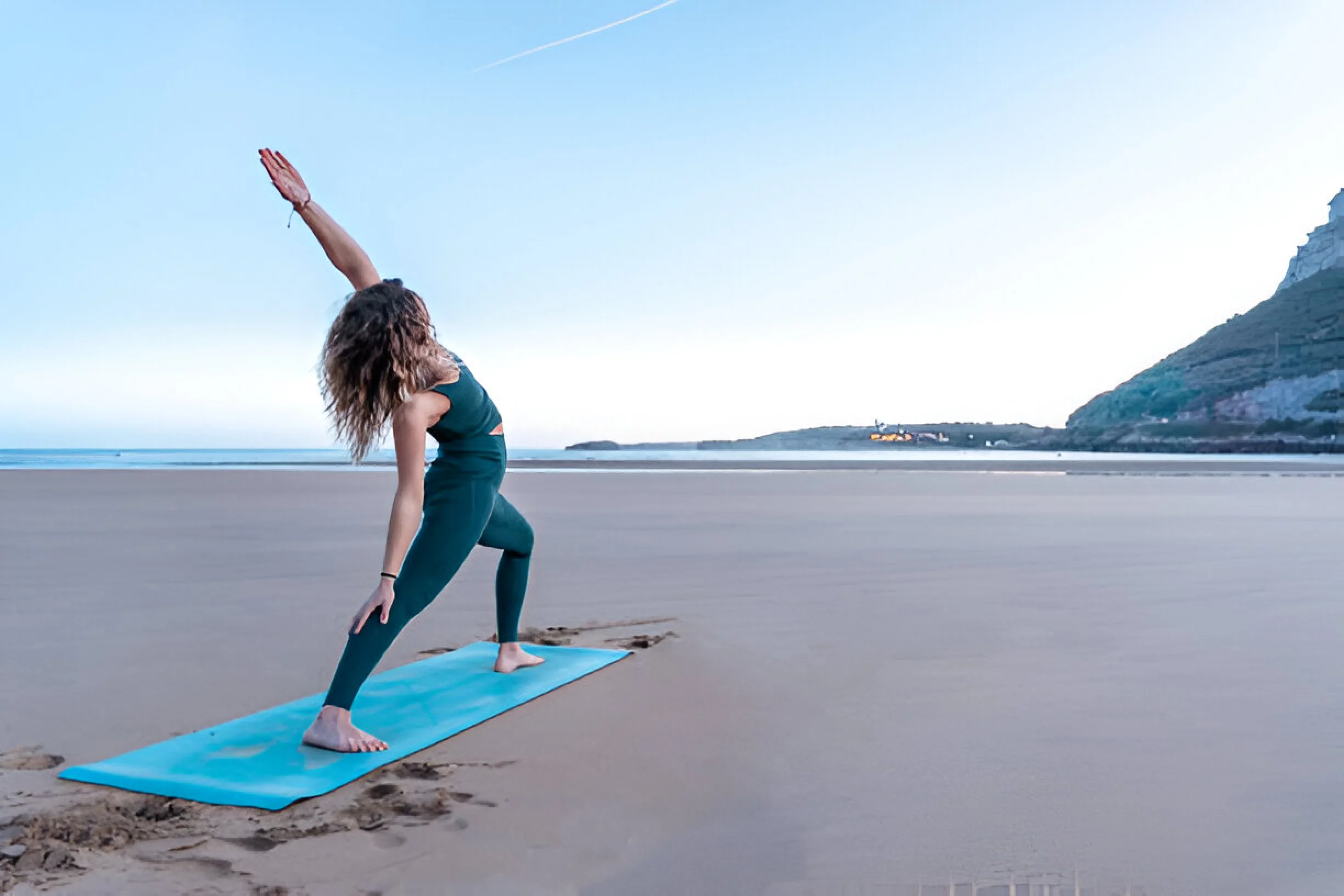
This guide is your map for that journey. We will walk through the landscape of yoga, exploring everything from the foundational yoga poses for beginners to the challenging peaks of advanced yoga poses . We will uncover how this ancient practice can build strength, increase flexibility, and, perhaps most importantly, offer a sanctuary of calm in our busy lives. You don't need to be flexible or strong to start; you only need a willingness to explore. Let's begin this story together.
What Exactly Are Yoga Poses?
At its heart, a yoga pose, or asana in Sanskrit, is a specific posture held to create a certain effect. Think of it less as an exercise and more as a shape you create with your body to channel energy and awareness. The word "asana" itself translates to "seat," which points to the original purpose of the poses: to prepare the body for long periods of meditation. But the practice has evolved into a dynamic system for physical and mental well-being.
Each pose is a universe of its own. It's a precise alignment of your limbs, your spine, and your gaze. But the physical shape is only one layer. The true magic happens when you connect this shape with your breath. As you inhale and exhale, you bring life into the pose, transforming it from a static position into a living, breathing experience. This conscious connection is what separates yoga from simple stretching. It's a moving meditation that calms the ripples of the mind and centers your awareness in the present moment.
The Transformative Benefits of a Consistent Practice
Why do millions of people roll out their yoga mats every day? The reasons are as varied as the individuals themselves, but the benefits touch nearly every aspect of human experience. It's a powerful tool for transformation, working from the outside in and the inside out.
Physically, the benefits are profound. A regular practice builds lean muscle and functional strength, not by lifting heavy weights, but by using your own body weight as resistance. Poses like Plank and Warrior challenge your muscles, forging a quiet power that supports you both on and off the mat. At the same time, yoga for flexibility is one of its most celebrated gifts. It gently lengthens muscles and loosens connective tissues, unlocking a freedom of movement you might not have felt since childhood. This improved flexibility helps correct posture, ease everyday aches, and reduce the risk of injury.
Mentally, the effects are just as powerful. In a world that constantly pulls our attention in a million directions, yoga offers a lifeline back to ourselves. The focus required for each asana anchors the mind, providing a much-needed break from the endless cycle of thoughts and worries. This is why yoga for stress relief is so effective. It activates the parasympathetic nervous system-our "rest and digest" mode-which lowers cortisol levels and promotes a state of deep relaxation. Many find that a consistent practice leads to better sleep, heightened mindfulness, and a greater sense of emotional balance.
"Yoga is the journey of the self, through the self, to the self." - The Bhagavad Gita
Yoga Poses for Beginners: Your Starting Point
Every journey begins with a single step. In yoga, that first step is often onto a mat, feeling a mix of curiosity and perhaps a little intimidation. But fear not; the beauty of yoga is its accessibility. Beginner poses are the foundation upon which your entire practice will be built. They teach you the fundamentals of alignment, breathing, and body awareness in a safe and supportive way.
These aren't "easy" poses in the sense of being effortless; they are foundational poses that teach you core principles. Let's explore a few to get you started.
- Mountain Pose (Tadasana): It may look like you are just standing, but this is the blueprint for all other standing poses. Stand with your feet together or hip-width apart. Ground down through all four corners of your feet. Engage your leg muscles, lengthen your spine, and relax your shoulders down and back. Your arms can rest by your sides with palms facing forward. Close your eyes and take five deep breaths. Feel the stability and strength in this simple, powerful shape.
- Downward-Facing Dog (Adho Mukha Svanasana): One of the most iconic yoga asanas , this pose is a full-body stretch. Start on your hands and knees. Press into your hands, lift your hips up and back, forming an inverted V-shape with your body. Let your head hang heavy, and gently pedal your feet to stretch your hamstrings. It stretches the shoulders, hamstrings, and calves while strengthening the arms and legs.
- Child's Pose (Balasana): This is your sanctuary. It's a resting pose you can come to anytime you need a break. From your hands and knees, bring your big toes to touch, sit back on your heels, and fold your torso forward, resting your forehead on the mat. It gently stretches the hips and back, and its calming nature is an immediate balm for a busy mind.
As a beginner, your motto should be "progress, not perfection." Listen to your body. If something hurts, back off. The goal is not to force yourself into a pretzel shape but to find a balance between effort and ease.
Interesting Fact: Did you know that there are reputedly 8.4 million asanas in the yogic tradition? This number is symbolic, representing the 8.4 million life forms one is said to incarnate through before reaching human form and the chance for enlightenment. The poses we practice today are a tiny fraction of this vast number.
Intermediate Yoga Poses: Deepening Your Practice
Once you feel comfortable with the basic poses and can link them with your breath, you may feel an urge to explore deeper. This is where intermediate yoga poses come in. These asanas demand more strength, flexibility, and balance, challenging you to refine your alignment and deepen your focus. They build upon the foundation you've already created, adding new layers of complexity and awareness.
Transitioning from beginner to intermediate isn't about mastering a specific pose; it's a shift in mindset. It's about moving with more intention, holding poses for longer, and gracefully flowing from one to the next.
- Warrior II (Virabhadrasana II): A pose of power and focus. From a standing position, step your feet wide apart. Turn your right foot out 90 degrees and your left foot in slightly. Bend your right knee so it's directly over your ankle, and extend your arms parallel to the floor. Gaze over your right fingertips. This pose strengthens the legs and ankles while stretching the hips and shoulders. You will feel a sense of empowerment radiating through you.
- Triangle Pose (Trikonasana): A beautiful pose that opens the entire side body. From a wide stance, extend your arms, and then hinge at your front hip, reaching forward before bringing your hand down to your shin, a block, or the floor. Extend the other arm toward the sky. It's a wonderful stretch for the hamstrings, hips, and spine.
- Bridge Pose (Setu Bandhasana): A gentle backbend that opens the chest and strengthens the back of the body. Lie on your back with your knees bent and feet flat on the floor, hip-width apart. Press into your feet and lift your hips off the floor. Clasp your hands underneath you and roll your shoulders together. This pose is a great preparation for deeper backbends and is incredibly revitalizing.
Advanced Yoga Poses: Reaching New Heights
For the seasoned practitioner, advanced yoga poses are the final frontier. These are the postures that demand immense strength, profound flexibility, and unwavering concentration. They often involve arm balances, deep backbends, and inversions that turn your world upside down-literally. These are not poses to be rushed into; they are the culmination of years of dedicated practice.
Safety is paramount when exploring this territory. Always warm up thoroughly, and never force your body into a shape it isn't ready for. The journey to an advanced pose is just as important as the pose itself.
- Crow Pose (Bakasana): Often the first arm balance yogis learn, Crow Pose is a thrilling test of strength and trust. From a squat, you place your hands on the floor, create a shelf with your upper arms for your knees, and then lean forward, lifting your feet off the ground. It builds incredible yoga for core strength and teaches you to overcome fear.
- Headstand (Sirsasana): Known as the "king of asanas," the headstand is a powerful inversion that reverses blood flow and challenges your entire sense of balance. It requires a strong core and shoulders and should be learned under the guidance of an experienced teacher. The mental clarity and confidence it builds are unparalleled.
- King Pigeon Pose (Eka Pada Rajakapotasana): An incredibly deep backbend and hip opener that embodies grace and openness. It requires a high degree of flexibility in the hips, quads, and shoulders. The full expression of the pose, where you reach back to grab your foot and open your chest to the sky, is a testament to a patient and dedicated practice.
Tailoring Your Practice: Yoga Poses for Specific Goals
Yoga is not a one-size-fits-all discipline. You can tailor your practice to meet specific needs, whether you're looking to touch your toes, find peace of mind, or support your weight loss journey. By selecting poses that target certain areas or effects, you can create a practice that is truly your own.
Here's a look at how you can use yoga to achieve common wellness goals:
Goal | Recommended Poses | How They Help |
Yoga for Flexibility | Forward Fold (Uttanasana), Cobra Pose (Bhujangasana) | These poses gently lengthen the hamstrings, spine, and chest muscles, progressively increasing your range of motion over time. |
Yoga for Weight Loss | Plank Pose (Phalakasana), Chair Pose (Utkatasana) | These are strength-building poses that engage major muscle groups, boosting metabolism and burning calories within a dynamic practice. |
Yoga for Back Pain | Cat-Cow Pose (Marjaryasana-Bitilasana), Sphinx Pose | These movements create gentle flexion and extension in the spine, improving mobility and relieving tension in the back muscles. |
Yoga for Stress Relief | Corpse Pose (Savasana), Legs-Up-The-Wall Pose (Viparita Karani) | These are restorative poses that calm the nervous system, lower the heart rate, and encourage a state of deep, conscious rest. |
By focusing your intention, you can transform your yoga mat into a personal laboratory for well-being.
Building Your Own Yoga Routine
The most effective yoga practice is a consistent one. But how do you create a daily yoga practice that feels both balanced and sustainable? The key is to build a sequence that speaks to your body and your schedule. You don't need 90 minutes every day; even 15-20 minutes of mindful movement can make a huge difference.
A good yoga flow sequence generally includes:
- Centering (1-2 minutes): Start in a comfortable seated position or Child's Pose. Close your eyes and connect with your breath. Set an intention for your practice.
- Warm-up (3-5 minutes): Gently awaken the body with movements like Cat-Cow, gentle neck rolls, and shoulder circles.
- Sun Salutations (5-7 minutes): Flow through a few rounds of Surya Namaskar to build heat and link breath to movement.
- Standing Poses (5-10 minutes): Include a mix of strength-building poses like the Warrior series and balancing poses like Tree Pose.
- Seated & Floor Poses (5-10 minutes): Move to the floor for seated forward bends, hip openers, and gentle twists.
- Cool-down (3-5 minutes): Wind down with restorative postures like Bridge Pose or Legs-Up-The-Wall.
- Savasana (5-10 minutes): Never skip this final resting pose. It allows your body and mind to integrate the benefits of the practice. Lie on your back in total relaxation.
Listen to your body's feedback. Some days you may crave a powerful, energetic flow. On other days, a gentle, restorative practice might be just what you need. The most important thing is to show up for yourself.
Common Mistakes to Avoid in Your Practice
As you progress on your yoga journey, it's natural to make mistakes. In fact, mistakes are valuable teachers. However, some common pitfalls can lead to injury or frustration. Being aware of them can help you practice more safely and effectively.
One of the biggest yoga mistakes to avoid is pushing too far, too fast. We often see images of hyper-flexible yogis on social media and feel pressure to emulate them. But yoga is not a competition. Pushing into pain is a sign to back off, not to push harder. Ego has no place on the yoga mat.
Another common issue is improper alignment. Poor yoga pose alignment not only diminishes the benefits of a pose but can also strain your joints. For example, in poses like Warrior II, allowing your front knee to collapse inward can put pressure on the joint. It's always better to use props or modify a pose to maintain good alignment than to force a shape with poor form.
Finally, don't neglect the bookends of your practice: the warm-up and the cool-down. Skipping a warm-up is like starting a car in freezing weather and immediately redlining the engine-it's a recipe for disaster. And skipping Savasana is like reading a great book but skipping the last chapter. You miss the part where everything comes together.
The Role of Yoga Props and Modifications
Yoga props are not crutches for beginners; they are powerful tools for practitioners of all levels. Props like blocks, straps, and bolsters are your allies, helping you find better alignment, access poses more deeply, and practice safely.
- Blocks: Can't quite reach the floor in Triangle Pose? Place a block under your hand. Blocks bring the floor closer to you, allowing you to maintain a long spine and open chest.
- Straps: If your hamstrings are tight, a strap can help you bridge the gap in a seated forward bend, allowing you to get the stretch without rounding your back.
- Bolsters: These firm cushions are a dream for restorative yoga. Placing a bolster under your knees in Savasana can relieve lower back tension, and supporting your torso on one in a gentle backbend can feel heavenly.
Yoga pose modifications are equally important. Every body is different. What works for one person may not work for another. Learning to modify poses for your unique anatomy is a sign of an intelligent and mature practice. For example, if you have sensitive wrists, you can do Downward Dog on your forearms (Dolphin Pose) or make fists to keep your wrists straight in Plank.
Important Note: The true goal of yoga is not to master the pose, but to use the pose to master yourself. It's about the awareness you cultivate, the patience you learn, and the kindness you show yourself along the way.