
You remember the first time you ran, don't you? Not for the bus, or away from a stray dog, but running just for the sake of it. Maybe your lungs burned. Maybe your legs felt like lead pipes filled with cement. We've all been there. It's that initial barrier of discomfort that separates the spectators from the participants. Running isn't just about putting one foot in front of the other; it's a conversation between your body and your mind, often an argument, but one worth winning.
This guide isn't just for the elite athletes who glide over pavement like gazelles. It's for you-the person staring at a pair of dusty sneakers in the closet, wondering if you have what it takes to cross a finish line. We will break down everything from distance conversions to the grit needed for a marathon. By the end, you'll not only know how many miles is a 5K , but you might just find the courage to sign up for one.
The Human History of Hitting the Pavement
Before we worry about GPS watches and carbon-plated shoes, let's look back. Way back. Our ancestors didn't run for medals; they ran for dinner. Persistence hunting-the practice of chasing prey until it collapsed from exhaustion-is likely why humans are built the way we are. We are endurance machines. While a cheetah can sprint faster than a sports car, it overheats quickly. Humans? We can keep going. We sweat. We cool down. We persist.
"Running is the greatest metaphor for life, because you get out of it exactly what you put into it." - Oprah Winfrey
Modern running, however, has shifted from survival to self-improvement. The marathon itself has roots in Greek legend-Pheidippides running from Marathon to Athens to announce victory. He collapsed and died right after, which, frankly, isn't the best marketing for the sport. Yet, millions of us line up every year to replicate his feat (minus the dying part, hopefully).
Understanding Distances: The Numbers Game
If you are new to the running world, the mix of kilometers and miles can feel like trying to read a map upside down. Let's clear the confusion immediately.
How Many Miles is a 5K?
This is the most common question for beginners. You sign up for a "Turkey Trot" or a charity run, and you see "5K" on the banner. What does that actually mean for your legs?
A 5K is 3.1 miles .
To visualize this: it's roughly 12.5 laps around a standard outdoor track. For many, it's a distance that feels achievable yet challenging. It's the gateway drug of running. You finish one, get that shiny medal, and suddenly you're wondering what a 10K feels like.
Stepping Up: How Many Miles is 10,000 Steps?
We live in an era of quantification. Our wrists buzz when we haven't moved enough. The "10,000 steps" goal is drilled into us, but how does that translate to distance?
The answer depends on your stride length (how tall you are and how fast you're moving), but generally speaking:
10,000 steps equals approximately 4 to 5 miles.
| Metric | Approximate Distance | Notes |
|---|---|---|
| 5K Race | 3.1 miles | Great for beginners. |
| 10K Race | 6.2 miles | Requires endurance training. |
| 10,000 Steps | 4 - 5 miles | Varies by height/stride. |
| Half Marathon | 13.1 miles | The "sweet spot" for many runners. |
| Marathon | 26.2 miles | The ultimate endurance test. |
Interesting Fact: The 10,000-step goal wasn't originally based on rigorous science. It was actually a marketing slogan for a Japanese pedometer sold in the 1960s called theManpo-kei, which translates to "10,000 steps meter." It just stuck!
Gear Check: Best Running Shoes and Essentials
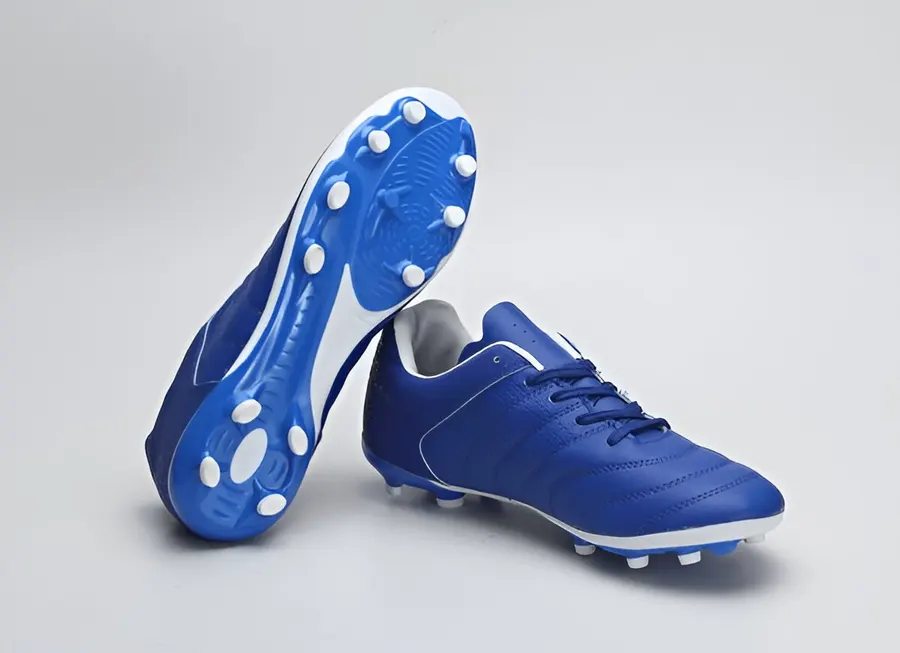
Imagine trying to drive a Formula 1 car with bicycle tires. That's what running in worn-out sneakers feels like. Your feet are the only point of contact with the ground. They absorb forces up to three times your body weight with every stride.
Finding the best running shoes isn't about picking the coolest color. It's about biomechanics. Do you overpronate (roll your foot inward)? Do you have high arches?
Here is a simple analogy: Think of your shoe as the suspension system of a car. If you're driving off-road (trail running), you need heavy-duty shocks. If you're on a smooth track, you want something light and fast.
- Stability Shoes: For runners whose feet roll inward excessively. These have firmer foam on the inside edge.
- Neutral Shoes: For runners with a standard gait. These focus on cushioning.
- Racing Flats/Carbon Plated: The "super shoes" designed for speed, acting like a spring to propel you forward.
Important Note: Never buy new shoes right before a race. You need to break them in, or your feet will be covered in blisters before mile three.
Training for a Marathon: The Long Game
So, you've done the 5K. You've crushed the 10K. Now the big beast is calling: 26.2 miles. Training for a marathon is a lifestyle overhaul. It requires saying "no" to late Friday nights because you have a 16-mile run on Saturday morning.
A typical marathon training block lasts 16 to 20 weeks. Why so long? Because your body needs time to adapt. Your bones need to densify. Your capillaries need to expand to deliver more oxygen to your muscles.
The Pillars of Marathon Training
- The Long Run: This is your weekly church service. It builds endurance and mental toughness. You teach your body to burn fat for fuel when glycogen stores run low.
- Speed Work: Intervals and tempo runs. This makes your "easy" pace feel easier.
- Recovery: This is where the magic happens. Muscles are torn in the gym and on the road; they are rebuilt in bed. Sleep is your most potent performance-enhancing drug.
You will hit walls. There will be runs where you want to sit on the curb and cry. That is normal. Marathon training breaks you down to build you back up stronger.
Running for Weight Loss: Myth vs. Reality
Many people lace up specifically for this reason: running for weight loss . It seems like simple math, right? Move more, burn more. But the human body is a clever survivor.
When you start running heavily, your appetite often skyrockets. This is known as "runger." You finish a 6-mile run, burning roughly 600 calories, and then celebrate with a burger and fries worth 1,200 calories. You see the problem.
Running is incredibly effective for fitness, but for weight loss, it must be paired with nutritional discipline. It's not a magic eraser for a bad diet. However, the metabolic afterburn (EPOC) from a high-intensity interval run can keep your body burning calories hours after you've untied your shoes.
The Mental Finish Line
Running is solitary. Even in a race with 30,000 people, you are alone inside your head. You face your doubts, your fears, and your limitations. But there is a profound peace in the rhythm of your breath and the cadence of your feet.
Whether you are trying to figure out how many miles is a 5K or aiming to qualify for Boston, the road is always there, waiting. It doesn't care how fast you are. It only cares that you showed up.
So, tie your laces. Open the door. Take that first step. It's a long road, but the view is spectacular.
Frequently Asked Questions
How many miles is a 5K race?
A 5K race is exactly 3.1 miles long. This is equivalent to 5 kilometers and is one of the most popular distances for beginner runners and charity events.
How long does it take to train for a marathon?
For most runners, training for a marathon takes between 16 to 20 weeks. This timeframe allows the body to safely build mileage, adapt to the stress of long-distance running, and reduces the risk of injury.
Is running good for weight loss?
Yes, running is an excellent calorie-burning exercise that can aid in weight loss. However, it is most effective when combined with a balanced diet, as increased activity often leads to increased appetite ("runger").
How many miles is 10,000 steps?
While it varies based on an individual's height and stride length, 10,000 steps typically converts to approximately 4 to 5 miles.
How often should I replace my running shoes?
Generally, you should replace running shoes every 300 to 500 miles. Signs of wear include decreased cushioning, uneven tread wear, or new aches and pains in your feet or knees after running.